
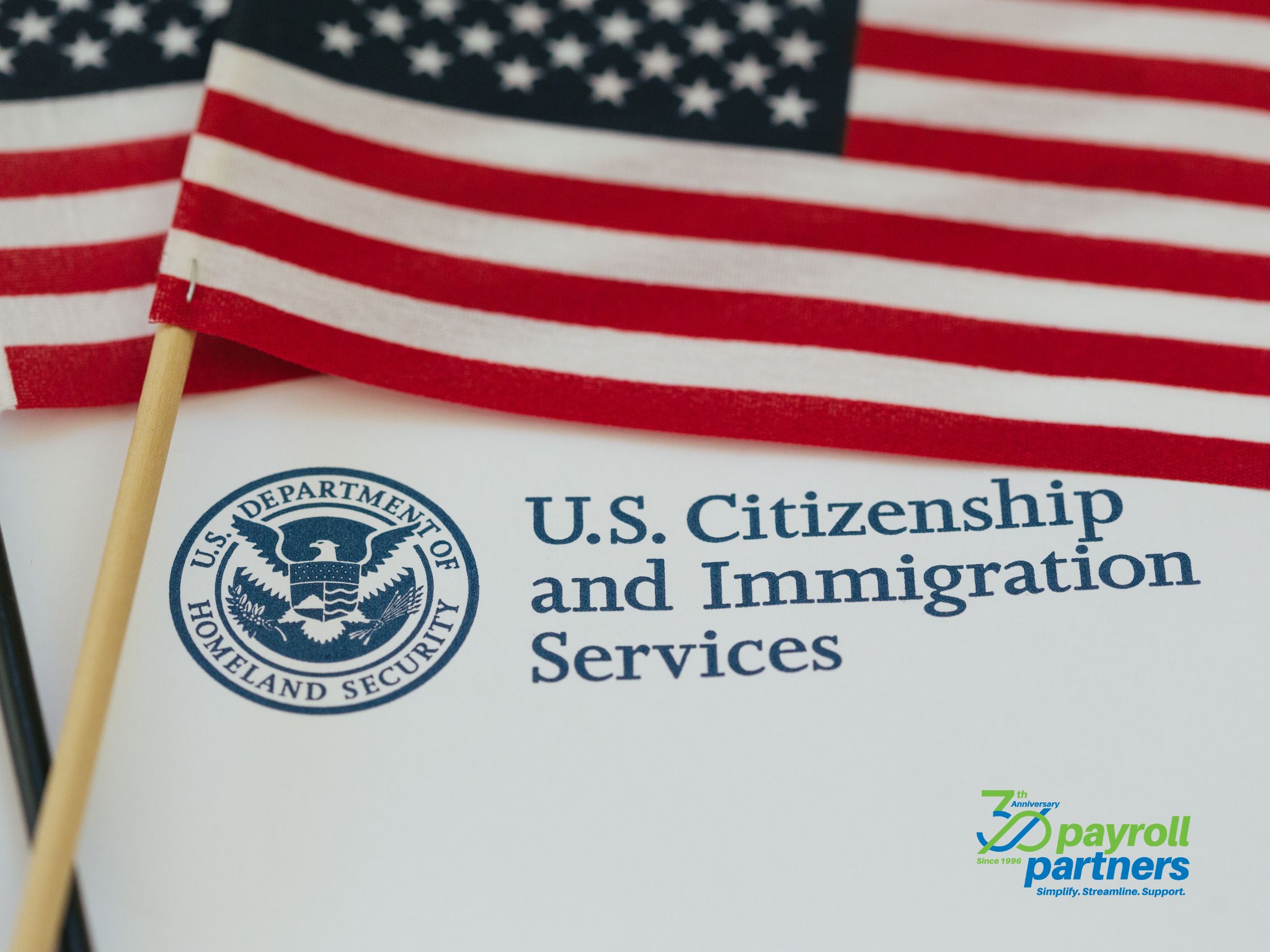
Immigration policy changes often make headlines for their political implications, but for employers, the real impact shows up in day-to-day operations. From hiring and onboarding to payroll compliance and workforce planning, shifts in immigration policy directly affect how organizations manage their people.
For HR and payroll teams, staying informed is no longer optional. It is essential to maintaining compliance and avoiding costly disruptions.
1. Increased Focus on Employment Eligibility Verification
One of the most immediate impacts of immigration policy changes is heightened enforcement around employment eligibility.
Employers should expect:
- Greater scrutiny of Form I-9 documentation
- Increased workplace audits and inspections
- Stricter penalties for non-compliance
HR teams must ensure that I-9 forms are completed accurately, stored properly, and retained according to federal guidelines. Even small errors can become costly under increased enforcement.
2. Changes to Work Authorization and Visa Programs
Updates to visa programs and work authorization rules can directly affect your workforce.
Employers may experience:
- Delays in hiring due to visa processing changes
- Uncertainty around employee work authorization timelines
- Additional administrative requirements for sponsorship
These changes require close coordination between HR, legal advisors, and payroll to ensure employees are authorized to work and paid correctly.
3. Workforce Availability and Hiring Challenges
Immigration policy shifts can impact labor availability, especially in industries that rely on immigrant workers such as construction, healthcare, hospitality, agriculture, and childcare.
This can lead to:
- Increased competition for talent
- Rising wage pressure
- Longer hiring cycles
HR teams may need to adjust recruiting strategies, expand candidate pipelines, or invest in training and retention efforts.
4. Payroll Compliance Considerations
Immigration changes can also affect payroll processes.
Employers must ensure:
- Employees are properly authorized before being placed on payroll
- Accurate tax reporting based on employee status
- Proper handling of Social Security numbers and documentation
Incorrect handling of payroll for unauthorized workers can result in significant penalties and legal exposure.
5. Multi-State and Remote Work Complications
As employers respond to workforce shortages, some may expand hiring across state lines or adopt more flexible work arrangements.
This introduces additional payroll complexity, including:
- Multi-state tax withholding requirements
- Different wage and hour laws
- State-specific compliance obligations
HR and payroll teams must stay aligned to manage these complexities effectively.
6. Employee Communication and Sensitivity
Immigration policy changes can create uncertainty and anxiety among employees, even those not directly affected.
HR leaders should prioritize:
- Clear and respectful communication
- Confidential handling of employee information
- Providing guidance or resources when appropriate
A thoughtful approach helps maintain trust and supports a stable workplace culture.
Stay Compliant, Stay Prepared
Immigration policy changes are ongoing, and their effects can ripple quickly through payroll and HR operations. Employers who stay proactive, organized, and informed will be best positioned to navigate these shifts.
At Payroll Partners, we help organizations manage payroll compliance, employee onboarding, and workforce changes with simple, streamlined solutions and dedicated live support. Because when regulations evolve, your payroll and HR processes should be ready to adapt.
This information is provided with the understanding that Payroll Partners is not rendering legal, human resources, or other professional advice or service. Professional advice on specific issues should be sought from a lawyer, HR consultant or other professional.