
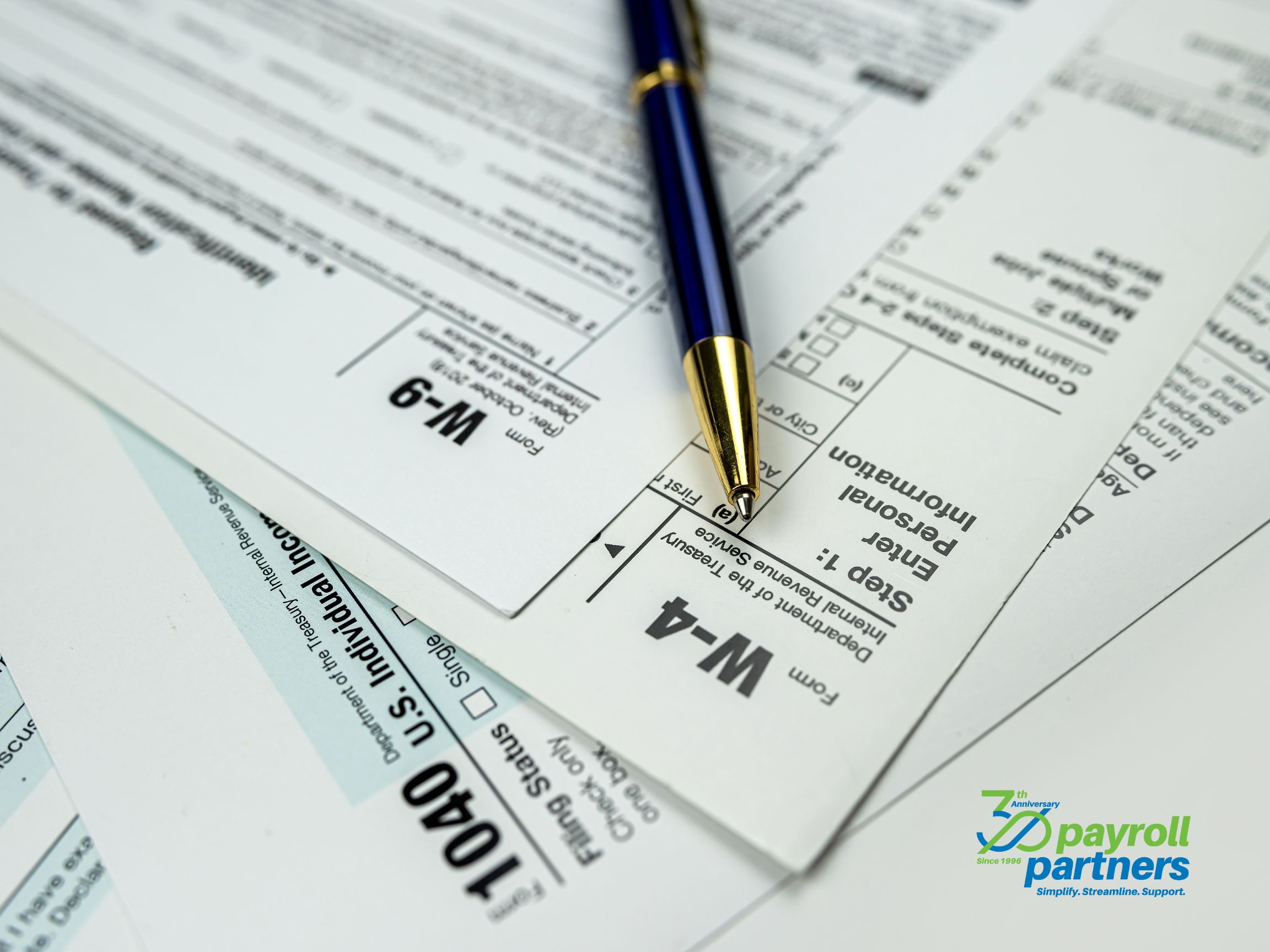
Many employees believe they need to complete a new Form W-4 every year. In reality, the IRS does not require annual updates. However, there are several situations where completing a new W-4 is important to ensure the correct amount of federal income tax is withheld from a paycheck.
For employers and payroll administrators, understanding when employees should update their W-4 can help prevent tax surprises and reduce employee confusion during tax season.
Below are the most common times when employees should complete a new Form W-4.
1. When Starting a New Job
Every employee must complete a Form W-4 when they are first hired. This form tells the employer how much federal income tax to withhold from their wages.
If a new employee does not submit a W-4, the employer is required to withhold taxes as if the employee is Single with no adjustments, which typically results in higher withholding.
2. After Major Life Changes
Certain life events can significantly affect a person’s tax situation. When these changes occur, employees may want to submit a new W-4 to adjust their withholding.
Common examples include:
-
Getting married or divorced
-
Having a child or adopting a child
-
A dependent no longer qualifying for the Child Tax Credit
-
A change in filing status
Updating a W-4 after these events can help employees avoid under-withholding or over-withholding taxes.
3. When Employees Want to Adjust Their Tax Withholding
Employees sometimes realize their withholding doesn’t match their tax situation. A new W-4 can help them adjust.
Employees may want to submit a new form if they:
-
Owe a large amount when filing their tax return
-
Receive a very large refund and prefer more take-home pay during the year
-
Start a second job
-
Have a spouse who starts or stops working
The IRS provides a Tax Withholding Estimator that can help employees determine whether their current withholding is appropriate.
4. When Claiming Exempt Status
Employees who qualify to claim exempt from federal income tax withholding must submit a new W-4 every year.
Important deadline:
Employees claiming exempt must provide a new W-4 by February 15 each year.
If they fail to submit a new form by that date, employers are required to begin withholding federal income tax as Single with no adjustments until a new W-4 is received.
5. When the IRS Issues a Withholding “Lock-In” Letter
In some cases, the IRS may notify an employer that an employee’s withholding needs to be adjusted. This is called a lock-in letter.
When this occurs, the employer must follow the IRS instructions and the employee may be required to complete a new W-4 that meets the withholding limits set by the IRS.
Final Thoughts for Employers
While employees are not required to complete a new W-4 every year, it is a good practice to encourage employees to review their withholding periodically—especially after major life changes.
For employers, reminding employees about W-4 updates can help prevent tax surprises and ensure payroll withholding remains accurate throughout the year.
This information is provided with the understanding that Payroll Partners is not rendering legal, human resources, or other professional advice or service. Professional advice on specific issues should be sought from a lawyer, HR consultant or other professional.