Question: When is it appropriate to use a performance improvement plan versus a disciplinary action?
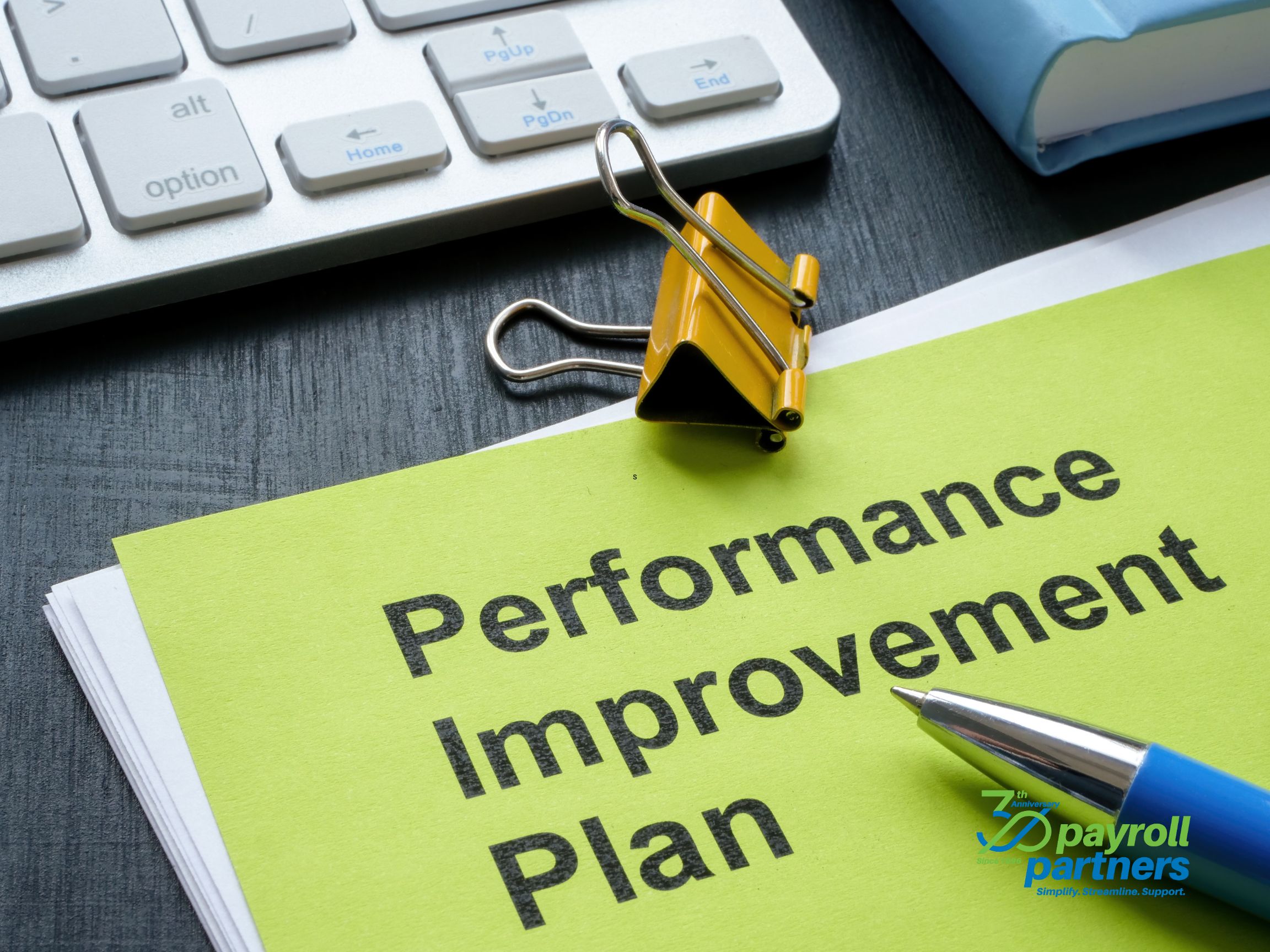
Answered by the HR Experts: Performance improvement plans (PIPs) are best suited for performance issues, such as an employee not hitting their required sales goals or failing to complete projects on time. Employers often use them to underscore the seriousness of the performance issue and give the employee a chance to improve before moving on to termination. PIPs are put in place for a pre-determined period (typically 60 to 90 days) and involve regular meetings to evaluate the employee’s progress.
In contrast, disciplinary actions can take different forms and be used in response to certain performance issues, misconduct, or policy violations. Examples could include a written warning when an employee has repeatedly neglected to follow your call-in procedure to report an absence, a final warning after an employee has repeatedly had a cash drawer shortage, or an immediate termination for violating your safety or antiharassment policies.
If the employee’s performance or actions warrants disciplinary action but not immediate termination, we generally recommend a progressive approach to employee discipline. Starting with and documenting reminders and warnings before escalating to more severe consequences like suspension or termination gives the employee the opportunity to improve, saving you the costs of hiring a replacement, and could help support your decision to terminate.
We have templates for both a PIP and a disciplinary action notice on the platform.
Original content by the Mineral Platform. This information is provided with the understanding that Payroll Partners is not rendering legal, human resources, or other professional advice or service. Professional advice on specific issues should be sought from a lawyer, HR consultant or other professional.